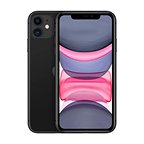
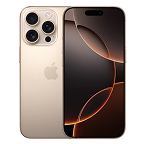
If you've cracked your phone screen and started looking into replacement options, you've probably run into the terms LCD and OLED. They're the two main display technologies in modern smartphones, and the type your phone uses affects the repair, the cost, and the quality of the result.
We'll break down what each one is, which type your phone has, and what to expect when you're getting your screen replaced.
Older display technology, still used in budget phones and older iPhone models. Uses a backlight to illuminate the screen. Cheaper to manufacture, decent quality, but blacks are never truly black because the backlight is always on.
OLED (Organic Light Emitting Diode)
Newer technology used in most flagship phones today. Each pixel produces its own light, so blacks are pure black, colors are richer, and contrast is much higher. Costs more, but the visual quality is noticeably better.
"If your phone came with an OLED screen from the factory, you should replace it with OLED. Putting an LCD in a phone designed for OLED works, but you lose the visual quality the phone was built for. We'll explain why below."
How LCD Screens Work
LCD screens have a layer of liquid crystals sandwiched between two pieces of glass, with a backlight behind them. The backlight is always on when the screen is on. The liquid crystals twist to let different amounts of light through, which creates the image you see.
What LCD does well:
Reliable, well-understood technology
Cheaper to produce
Less risk of screen burn-in over years of use
Brighter in direct sunlight on some models
What LCD does well:
Blacks are gray, not true black, because the backlight is always on
Contrast is lower than OLED
Less color accuracy
Thicker than OLED, so phones with LCD displays can’t be as thin
Phones that originally shipped with LCD screens were designed around these tradeoffs. An LCD replacement on an LCD phone is the right call.
How OLED Screens Work
OLED screens are different. Instead of a backlight illuminating liquid crystals, each individual pixel produces its own light. When the screen needs to show black, those pixels just turn off completely. That's why OLED blacks look pure black, the pixels really aren't emitting any light.
What OLED does well:
True black, infinite contrast ratio
Richer colors and better color accuracy
Thinner displays, which lets phones be thinner overall
Better viewing angles
More energy efficient when displaying dark content (which is why dark mode actually saves battery on OLED phones)
Supports features like always-on display
Where OLED has tradeoffs:
More expensive to produce
Risk of screen burn-in over many years (mostly relevant for static UI elements left on screen for long periods)
More fragile in some cases
Phones with OLED screens are built around these qualities. They depend on the OLED panel for True Tone, ProMotion, always-on display, and accurate color reproduction.
Which Type Does Your Phone Have
Which Type Does Your Phone Have
Here's a breakdown of common iPhone models and which display technology they originally shipped with.
Select iPhone Series
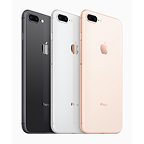
iPhone 8 and 8 Plus
iPhone 7 and 7 Plus
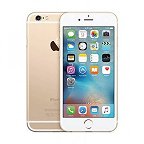
iPhone 6, 6s, 6 Plus, 6s Plus
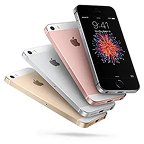
iPhone SE (1st, 2nd, and 3rd generation)
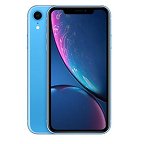
iPhone XR
iPhone 11
iPhone X, XS, XS Max
iPhone 11 Pro and 11 Pro Max
iPhone 12 series (all models)
iPhone 13 series (all models)
iPhone 15 series (all models)
iPhone 16 series (all models)
If you have one of these, your phone originally came with an LCD display. An LCD replacement is the appropriate repair.
Android Phones
Most flagship Android phones (Samsung Galaxy S series, Note series, Google Pixel Pro models, OnePlus flagships) have OLED or AMOLED displays. AMOLED is Samsung's version of OLED with slightly different technology underneath, but the customer experience is the same.
Budget Android phones often have LCD screens (Samsung Galaxy A series budget models, some Motorola Moto G models, lower-tier Pixel phones). Check your phone's specifications if you're not sure.
Why Us
Should You Replace OLED with LCD to Save Money
This is the question most customers ask, and the honest answer is: usually no.
We sometimes get customers who want to put an LCD replacement screen in an iPhone that originally had OLED, hoping to save money on the repair. We do this when customers insist, but we're upfront about what they're giving up:
What you lose with LCD on an OLED phone:
True Tone stops working
True Tone adjusts the screen's color temperature based on ambient lighting. It depends on the OLED panel's specific color characteristics. LCD replacements break this feature.
Color accuracy drops noticeably
Photos look slightly off. Whites can look yellow or blue instead of pure white. The difference is most visible side-by-side with the original.
Contrast becomes much lower
Blacks look gray. Dark scenes in movies and games look washed out.
Battery drain can increase
OLED phones save power displaying dark UIs because dark pixels are literally off. LCD always has the backlight running, so dark mode no longer saves battery.
Brightness levels and behavior differ
from what you're used to.
Always-on display may not work
depending on the phone.
Skill Requirements
When Does LCD Make Sense
There are situations where an LCD replacement on an OLED phone is the right call:
You’re planning to sell or replace the phone soon. If you’re upgrading in three months anyway and just need the phone usable until then, the cost savings of LCD can make sense.
The phone is older and the repair cost approaches the phone’s value. A four-year-old iPhone with a cracked screen might not be worth a premium OLED repair if the rest of the phone is also showing wear.
Budget is the only constraint. If OLED isn’t an option financially and the alternative is leaving the screen broken, LCD is better than no repair.
The phone is a backup device or kid’s phone. A phone that’s not your primary device doesn’t need flagship visual quality.
We’ll never push you toward the more expensive option just because it’s more expensive. We’ll tell you what each option costs, what you’re getting, and let you decide.
How We Handle
How We Handle Both Options
For iPhone repairs, we use genuine Apple OLED screens for phones that originally came with OLED. This is our standard recommendation because it preserves True Tone, Face ID compatibility, color accuracy, and everything else the phone was designed for. For iPhone models that originally had LCD (iPhone 11, XR, SE series, and older), we use quality LCD replacements.
For Android repairs, we use OEM-quality OLED or AMOLED replacements for flagship Samsung Galaxy, Google Pixel, OnePlus, and other OLED phones. For Android phones with LCD displays, we use quality LCD replacements.
If you have an OLED phone and want to compare costs between OLED and LCD replacement, give us a call at +1 505-336-1907. We’ll quote both, explain the tradeoffs, and let you choose.
FAQs
Common Questions About LCD vs OLED
Can a phone be permanently damaged by installing the wrong screen type?
No, the phone itself isn't damaged. The replacement just doesn't perform as well as the original screen technology. Switching back to the correct type later restores full quality.
Will an LCD replacement on an OLED phone break Face ID?
Face ID can still work with an LCD replacement, but performance can be inconsistent. The face recognition system depends on multiple sensors, some of which sit behind the display. With a quality replacement screen and proper installation, Face ID usually works, but it’s another reason to stick with the original screen type when possible.
Does an OLED screen on a phone that originally had LCD work?
Technically yes, but it’s expensive and the phone’s software isn’t tuned for OLED. We don’t typically recommend this swap.
How can I tell if my phone has LCD or OLED without checking the model?
Look at a completely black image on the phone in a dark room with the brightness turned up. OLED screens show pure black with no light coming through. LCD screens show a slight gray glow because the backlight is still on.
Are AMOLED and OLED the same thing?
Functionally yes, from a customer perspective. AMOLED is Samsung’s specific implementation of OLED with active-matrix technology. The visual experience and repair considerations are essentially the same.
Why does Apple use OLED on newer iPhones if LCD is cheaper?
Display quality is a major selling point. Apple moved to OLED to support True Tone, ProMotion (high refresh rate), better HDR support, and thinner phone designs. Once a phone is built around OLED, replacing with LCD breaks those features.
Get Your Screen Repaired the Right Way
Stop by the shop or call ahead to get a quote for your specific phone. We'll tell you which screen type your phone has, what your options are, and what each one costs.
For more on our repair services, see our iPhone repair page, Samsung repair page, or full range of phone repair in Albuquerque services.